Photo by Pat Corrado

Pumpkin Fest
Month of October | Daily 9A-5P | Cosley Zoo (1356 N Gary Ave)
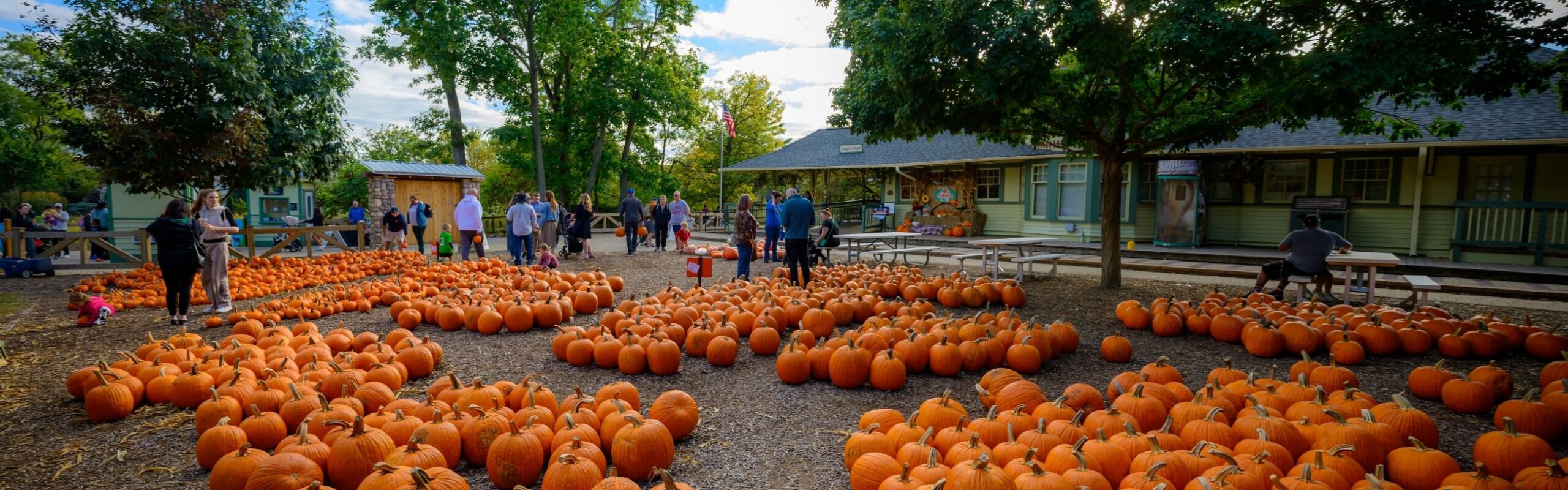
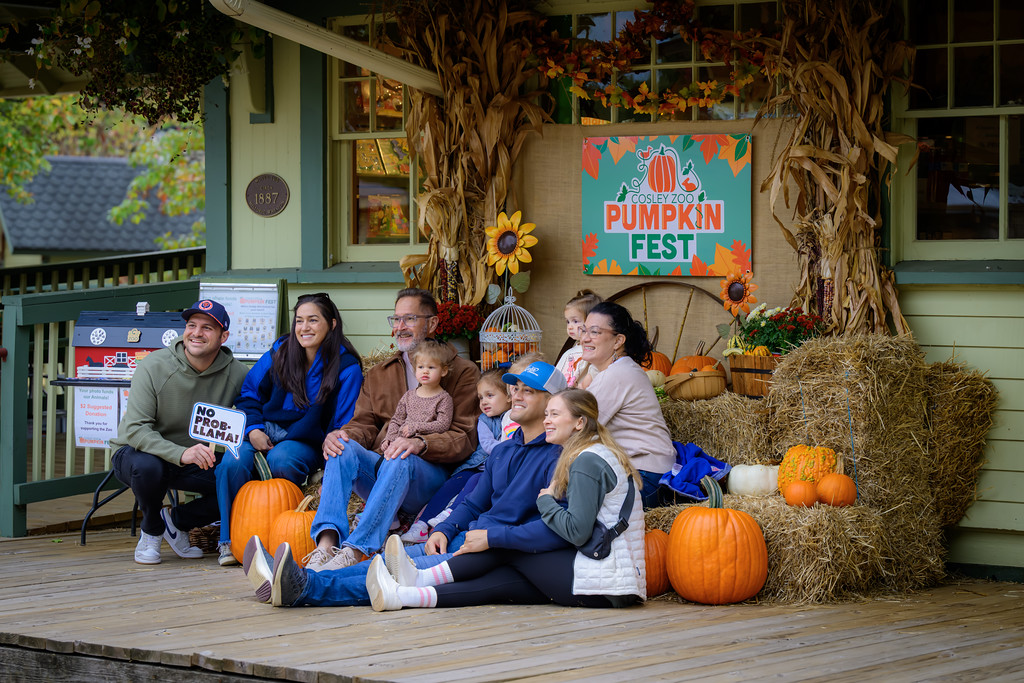
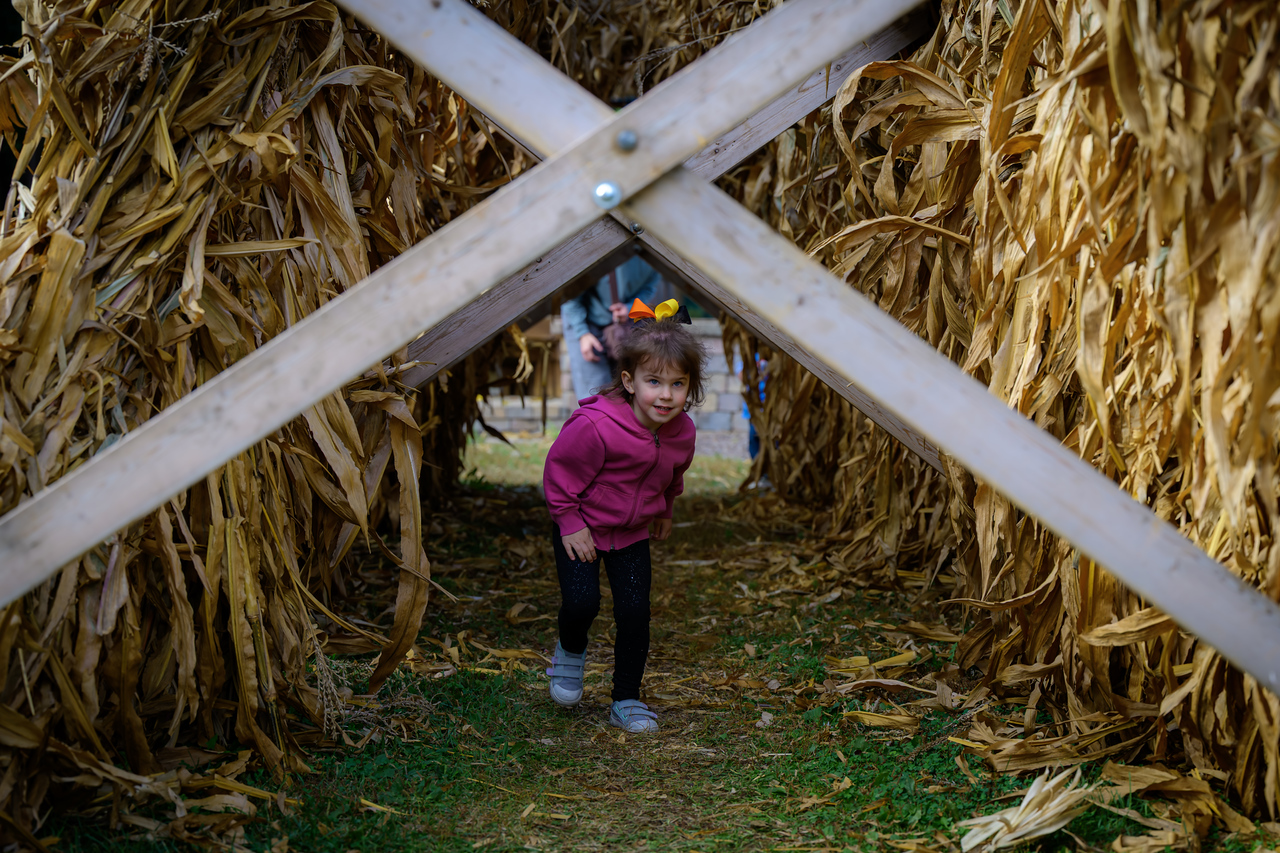
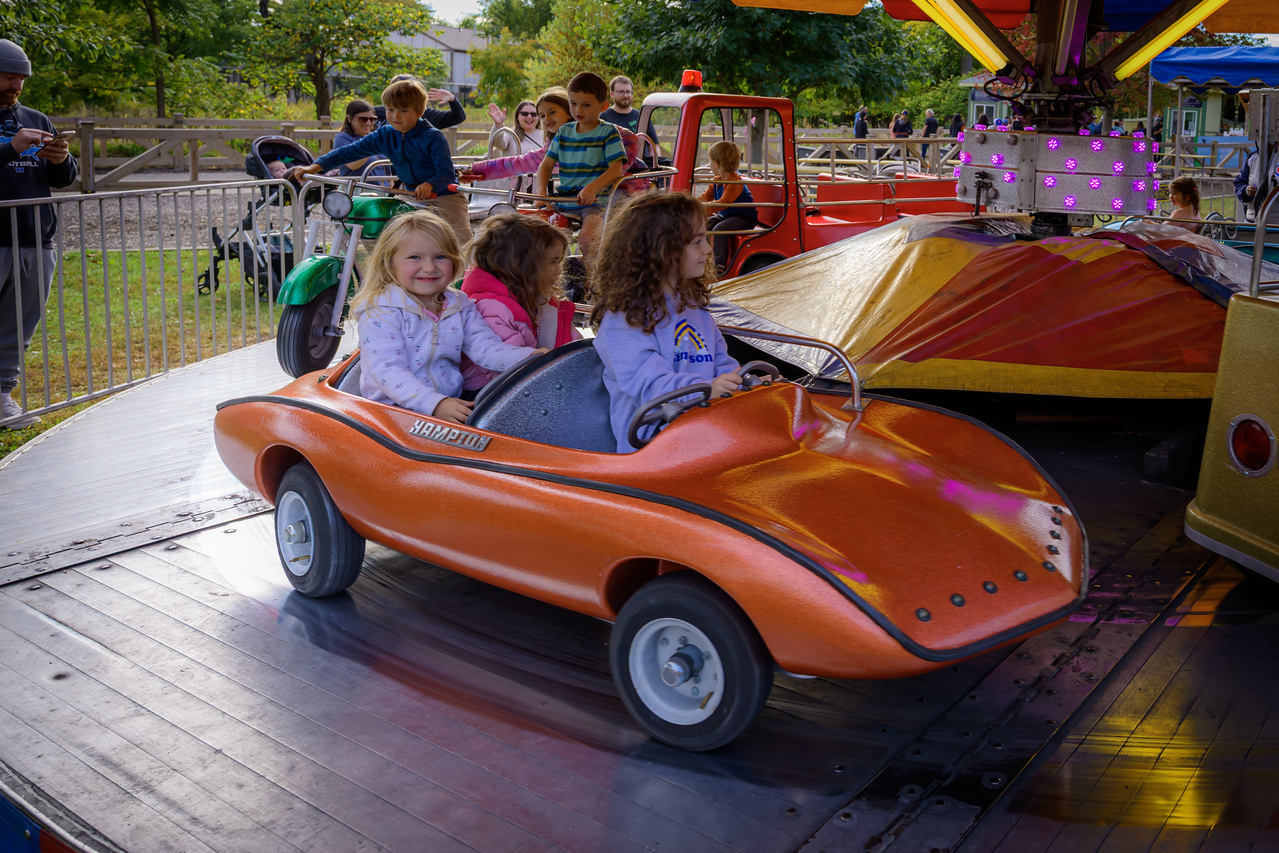
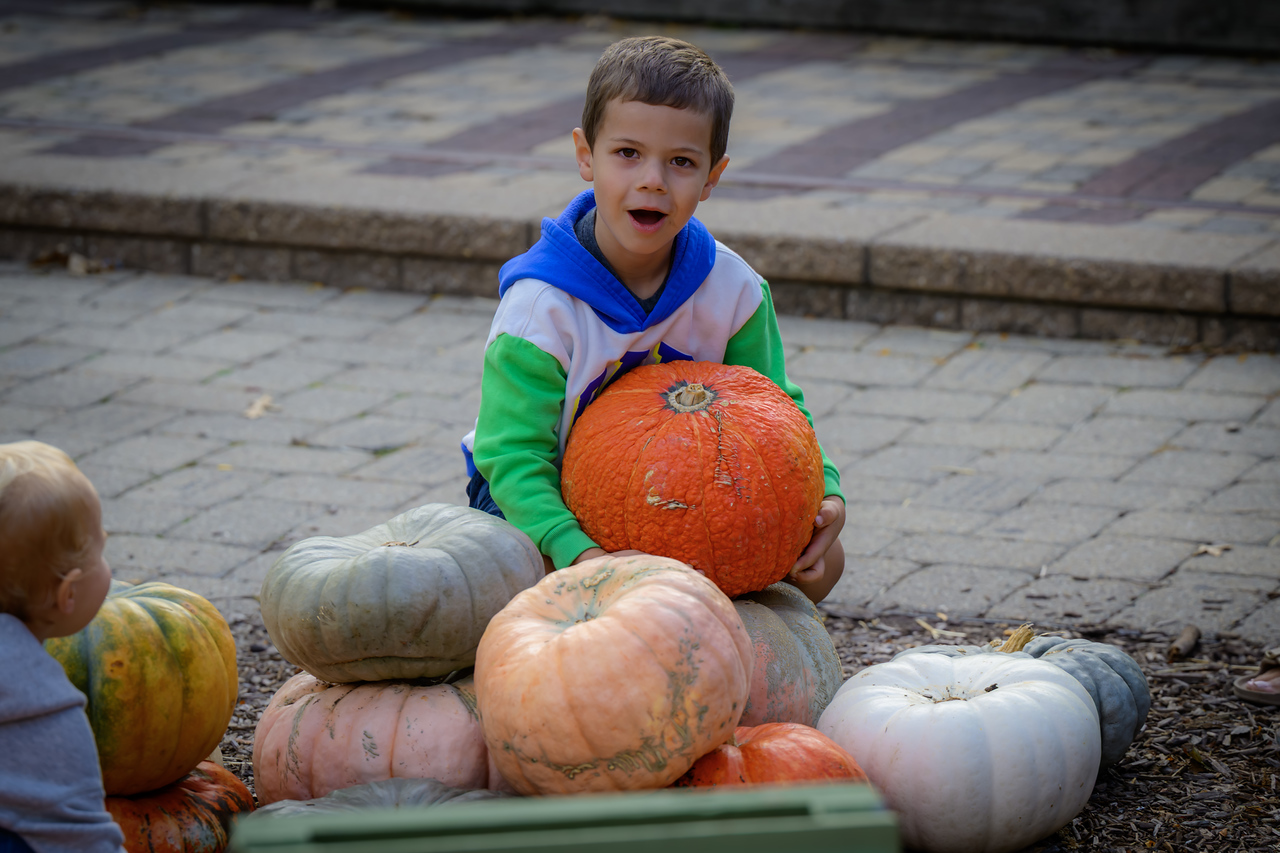
Taking in the beautiful fall colors at Cosley Zoo is a must-do! Come see the animals and take in the thousands of pumpkins that line the zoo’s lawn. Children’s rides are available for an additional fee. Apples, gourds, pumpkins, cider, cornstalks, and various sizes of straw bales are also available to purchase. Check out the fall merchandise in the Wild Side Gift Shop, too! Proceeds from your purchases benefit Cosley Zoo. Regular admission rates apply.
Enjoy these special features throughout Pumpkin Fest:
- Face painting on Saturdays from 11A-1P (with donation)
- Scavenger hunt available daily
Sponsorship Information:
Additional Information:
For additional information or questions regarding partnering with us on this event, reach out to Jenny Ackerman at [email protected] or 630-510-4961
Gallery:
Photos by Pat Corrado



Tips for what to do with your pumpkin after the fall season
- Compost it: Chop the pumpkin into small pieces and add it to your compost bin. The pumpkin acts as a nitrogen-rich “green” material, helping to balance your compost.
- Bury it: Dig a shallow hole in your garden, place the pumpkin pieces inside, and cover them with soil. The pumpkin will naturally decompose and add nutrients to the soil for the following year.
- Grow new pumpkins: Save the seeds, clean them, and plant them next year to grow fresh pumpkins.
- Leave it for the wildlife: Cut up the pumpkin and leave it out for birds, squirrels, or deer to enjoy.
- Make a bird feeder: Cut the pumpkin in half and remove the seeds and flesh, then hang it to create a bird feeder.
At Cosley Zoo
Pumpkins get used as enrichment for deer, cranes, raccoon, fox, coyote, lynx and many of the domestics.
- The songbirds can get some as part of their diet and will also sometimes get some seeds.
- The gourds and mini pumpkins can be given to reptiles and some of our other ambassador animals as enrichment for texture and smell.
- They can be carved and used as temporary places to hide
as well.
Composting
Composting is nature’s way of recycling with many benefits:
- Avoids landfill greenhouse gas emissions from decomposing organics (currently, landfills are the 3rd largest producers of methane in the U.S.!)
- Produces a useful, nutrient-dense soil amendment.
- Pumpkins are 90% water which is great for our soil, not so good in our landfills.